

NEWS
Maximizing Drying Efficiency with a Double Cone Rotary Vacuum Dryer
Jan 29,2026
Maximizing Drying Efficiency with a Double Cone Rotary Vacuum Dryer
Table of Contents
- Introduction to Double Cone Rotary Vacuum Dryers
- How a Double Cone Rotary Vacuum Dryer Works
- Advantages of Using Double Cone Rotary Vacuum Dryers
- Applications of Double Cone Rotary Vacuum Dryers in Various Industries
- Key Design Features That Enhance Drying Efficiency
- Improving Operational Efficiency with Best Practices
- Troubleshooting Common Issues in Double Cone Rotary Vacuum Dryers
- Frequently Asked Questions
- Conclusion
Introduction to Double Cone Rotary Vacuum Dryers
In the realm of industrial drying processes, the **Double Cone Rotary Vacuum Dryer** stands out as a highly efficient and versatile equipment. This dryer is engineered to handle a variety of materials while ensuring optimal moisture removal under vacuum conditions. By employing a **rotary motion** within a double cone design, this dryer enhances both heat and mass transfer, leading to improved drying rates and product quality.
As industries strive for increased efficiency and cost-effectiveness, understanding the operational mechanics and advantages of this dryer is essential. This article aims to delve deep into the functionality, benefits, and operational best practices associated with Double Cone Rotary Vacuum Dryers.
How a Double Cone Rotary Vacuum Dryer Works
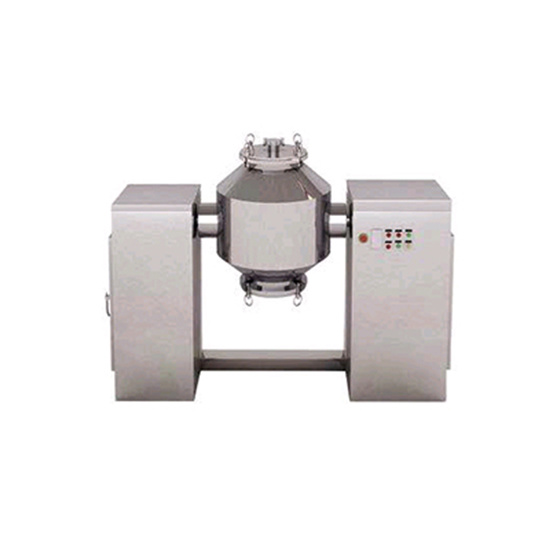
The operational principle of a Double Cone Rotary Vacuum Dryer is rooted in its unique design. The dryer comprises two cone-shaped vessels that rotate around a common axis. This rotation facilitates the uniform distribution of material, ensuring consistent exposure to heat and vacuum.
1. **Vacuum Environment**: The drying process occurs in a vacuum, significantly lowering the boiling point of the solvent (usually water). This means materials can dry at lower temperatures, preserving sensitive compounds and preventing thermal degradation.
2. **Heat Transfer**: The dryer is typically jacketed, allowing for the circulation of hot oil or steam. Heat is transferred to the material through the walls of the cones, promoting efficient moisture evaporation.
3. **Continuous Motion**: The continuous rotation of the cones ensures that the material remains agitated, preventing the formation of clumps and promoting even drying. This action also enhances the overall heat and mass transfer within the dryer.
4. **Moisture Removal**: As moisture evaporates, it is drawn off by the vacuum system, maintaining a low-pressure environment that facilitates rapid drying.
This combination of vacuum drying, heat transfer, and continuous motion results in a highly efficient drying process that can drastically reduce drying times compared to traditional methods.
Advantages of Using Double Cone Rotary Vacuum Dryers
Utilizing a Double Cone Rotary Vacuum Dryer offers several distinct advantages:
1. **Energy Efficiency**: The vacuum environment allows for lower energy consumption, as the drying process occurs at reduced temperatures and pressures.
2. **Quality Preservation**: Sensitive materials that may degrade or lose their properties under high heat can be dried without adverse effects. This is particularly beneficial in industries like pharmaceuticals and food processing.
3. **Versatility**: These dryers can accommodate a wide range of materials, including powders, granules, and pastes, making them suitable for various applications across multiple industries.
4. **Shorter Drying Times**: The combination of vacuum and thermal energy accelerates the drying process, resulting in shorter cycle times and increased productivity.
5. **Clean and Safe Operation**: The closed system minimizes exposure to the external environment, reducing contamination risks and creating a safer workplace.
Applications of Double Cone Rotary Vacuum Dryers in Various Industries
Double Cone Rotary Vacuum Dryers are utilized in a variety of industries due to their unique capabilities. The following sectors particularly benefit from this technology:
1. **Pharmaceuticals**: In this industry, the integrity of active ingredients is paramount. The ability to dry heat-sensitive materials while maintaining a vacuum ensures product quality.
2. **Food and Beverage**: The food industry often requires drying processes that preserve flavor and nutrients. Double Cone Rotary Vacuum Dryers facilitate gentle drying, making them ideal for drying fruits, vegetables, and other sensitive ingredients.
3. **Chemicals**: Chemical processes often generate materials that need to be dried efficiently. These dryers are effective for drying powders and pastes in chemical manufacturing.
4. **Cosmetics**: The cosmetic industry uses these dryers for drying various formulations, ensuring that the final products retain their quality and efficacy.
5. **Environmental Applications**: Waste drying processes, such as sludge drying in wastewater treatment plants, can also benefit from the efficient drying capabilities of rotary vacuum dryers.
Key Design Features That Enhance Drying Efficiency
Several design elements contribute to the efficiency of the Double Cone Rotary Vacuum Dryer:
1. **Double Cone Design**: The unique shape facilitates optimal mixing and exposure to heat, enhancing the drying process.
2. **Jacketed Shell**: The jacketed design promotes effective heat transfer through the use of circulating hot fluids, allowing precise temperature control during the drying process.
3. **Integrated Vacuum System**: The incorporation of a robust vacuum system enables efficient moisture removal, further improving drying times and product quality.
4. **Continuous Agitation**: The constant motion of the dryer ensures that materials are uniformly exposed to heat and vacuum, leading to consistent results.
5. **Modular Design**: Many modern double cone dryers come with modular configurations that allow for easy integration into existing production lines and flexible scaling.
Improving Operational Efficiency with Best Practices
Maximizing the efficiency of a Double Cone Rotary Vacuum Dryer involves implementing best practices throughout its operational lifecycle:
1. **Regular Maintenance**: Scheduled maintenance checks ensure that all components, especially the vacuum system and heat exchangers, operate efficiently and effectively.
2. **Material Preparation**: Pre-processing materials to the correct particle size can lead to improved drying rates and efficiency, minimizing energy consumption.
3. **Temperature Control**: Maintaining optimal temperature settings is crucial. Operators should regularly monitor and adjust parameters according to the material being dried.
4. **Load Optimization**: Avoiding overloading the dryer ensures that materials are adequately exposed to heat and vacuum, improving drying times.
5. **Training Personnel**: Ensuring that operators are well-trained in the operation of the dryer can prevent errors and enhance overall efficiency.
Troubleshooting Common Issues in Double Cone Rotary Vacuum Dryers
While Double Cone Rotary Vacuum Dryers are designed for reliability, operators may encounter some common issues. Here are potential problems and their solutions:
1. **Insufficient Drying**: This can occur if the temperature is too low or loading is excessive. Adjust the temperature settings and verify that the load is within acceptable limits.
2. **Foaming or Bumping**: If foaming occurs, consider adjusting the feed rate or adding antifoaming agents. Regularly check and maintain the vacuum system to ensure proper operation.
3. **Inconsistent Results**: Variability in drying results may be due to uneven loading or improper temperature settings. Ensure consistent loading and verify that the temperature is uniformly maintained.
4. **Vacuum Loss**: If the vacuum system is not maintaining pressure, inspect seals and connections for leaks and ensure the vacuum pump is functioning correctly.
5. **Mechanical Failures**: Regularly inspect moving parts for wear and tear. Replace any worn components to maintain operational integrity.
Frequently Asked Questions
1. What materials can be dried using a Double Cone Rotary Vacuum Dryer?
Double Cone Rotary Vacuum Dryers can effectively dry a variety of materials, including powders, granules, and pastes across many industries, particularly those requiring gentle drying.
2. How does the vacuum impact the drying process?
The vacuum environment lowers the boiling point of moisture, facilitating drying at lower temperatures, which helps preserve sensitive materials from thermal degradation.
3. What are the energy requirements for operating these dryers?
Energy requirements vary depending on factors such as the material being dried and the desired end moisture content. However, they are generally more energy-efficient than traditional drying methods.
4. How can I ensure the longevity of my Double Cone Rotary Vacuum Dryer?
Regular maintenance, proper operator training, and adherence to recommended operating guidelines are essential for maximizing the lifespan of the dryer.
5. Can I retrofit a Double Cone Rotary Vacuum Dryer into an existing production line?
Many modern designs are modular and can be integrated into existing systems. It's crucial to consult with the manufacturer for compatibility assessments and modifications.
Conclusion
The **Double Cone Rotary Vacuum Dryer** offers a blend of efficiency, versatility, and product quality that makes it an invaluable asset in various industries. By understanding its operational principles, advantages, and best practices, businesses can maximize drying efficiency while minimizing costs. As industries continue to evolve, investing in advanced drying technologies like the Double Cone Rotary Vacuum Dryer will remain essential for maintaining competitive edges and ensuring product quality. Embracing this technology not only enhances operational effectiveness but also aligns with the growing demand for sustainable and efficient industrial processes.
More News
Get a Quote

Add:
No. 9, Yungu Road, Zhutang Town, Jiangyin City, Jiangsu Province, China
E-mail: pxjx@jypxjx.com
Copyright © 2022 Jiangyin Peixin Machinery Technology Co., Ltd.


