

NEWS
Optimizing Material Separation: The Role of Rotary Sieving Machines in Modern Manufacturing
Apr 01,2026
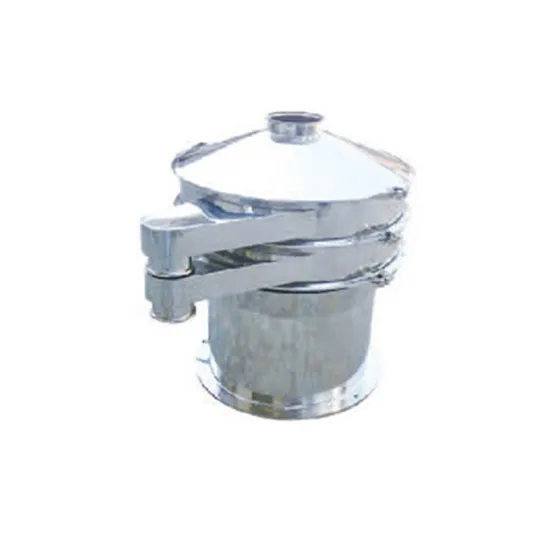
Rotary sieving machines are essential tools in the manufacturing and processing sector, particularly in the fields of crushing and sorting machinery. Their primary function is to separate materials based on size, ensuring that the desired particle dimensions are achieved for various applications. These machines utilize a rotating drum equipped with mesh screens that allow particles of specific sizes to pass through while retaining larger ones. This process is vital for improving the quality of materials, reducing waste, and enhancing overall productivity.
One of the key benefits of rotary sieving machines is their versatility. They can handle a wide range of materials, including aggregates, powders, and granules, making them suitable for various industries such as construction, pharmaceuticals, food processing, and recycling. Their ability to efficiently separate materials increases operational efficiency, allowing manufacturers to optimize their production processes.
Moreover, rotary sieving machines are designed to operate continuously, which is a significant advantage in high-demand environments. This continuous operation translates to higher throughput and efficiency, reducing downtime and labor costs associated with manual sorting methods. The use of rotary sieving machines also ensures consistency in the size and quality of the output materials, which is crucial for maintaining product standards.
Another noteworthy aspect is the ease of maintenance and adaptability of rotary sieving machines. Many models are designed with user-friendly features, making cleaning and maintenance straightforward. Additionally, these machines can be customized with different screen sizes and configurations, allowing them to be tailored to specific material processing needs. This adaptability makes them a valuable investment for companies looking to enhance their material processing capabilities.
In conclusion, rotary sieving machines are integral to the manufacturing and processing industry, providing efficient and reliable solutions for material separation. Their versatility, continuous operation, and ease of maintenance make them indispensable tools for enhancing operational efficiency and product quality. As industries continue to evolve, the role of rotary sieving machines will remain crucial in achieving effective material processing and meeting the demands of modern manufacturing. By integrating these machines into production lines, manufacturers can significantly improve their sorting and separation processes, ultimately leading to better resource management and higher profitability.
One of the key benefits of rotary sieving machines is their versatility. They can handle a wide range of materials, including aggregates, powders, and granules, making them suitable for various industries such as construction, pharmaceuticals, food processing, and recycling. Their ability to efficiently separate materials increases operational efficiency, allowing manufacturers to optimize their production processes.
Moreover, rotary sieving machines are designed to operate continuously, which is a significant advantage in high-demand environments. This continuous operation translates to higher throughput and efficiency, reducing downtime and labor costs associated with manual sorting methods. The use of rotary sieving machines also ensures consistency in the size and quality of the output materials, which is crucial for maintaining product standards.
Another noteworthy aspect is the ease of maintenance and adaptability of rotary sieving machines. Many models are designed with user-friendly features, making cleaning and maintenance straightforward. Additionally, these machines can be customized with different screen sizes and configurations, allowing them to be tailored to specific material processing needs. This adaptability makes them a valuable investment for companies looking to enhance their material processing capabilities.
In conclusion, rotary sieving machines are integral to the manufacturing and processing industry, providing efficient and reliable solutions for material separation. Their versatility, continuous operation, and ease of maintenance make them indispensable tools for enhancing operational efficiency and product quality. As industries continue to evolve, the role of rotary sieving machines will remain crucial in achieving effective material processing and meeting the demands of modern manufacturing. By integrating these machines into production lines, manufacturers can significantly improve their sorting and separation processes, ultimately leading to better resource management and higher profitability.
More News
Get a Quote

Add:
No. 9, Yungu Road, Zhutang Town, Jiangyin City, Jiangsu Province, China
E-mail: pxjx@jypxjx.com
Copyright © 2022 Jiangyin Peixin Machinery Technology Co., Ltd.


