

NEWS
Understanding Pulverizer Machines: Key Insights for Manufacturing and Processing
Mar 16,2026
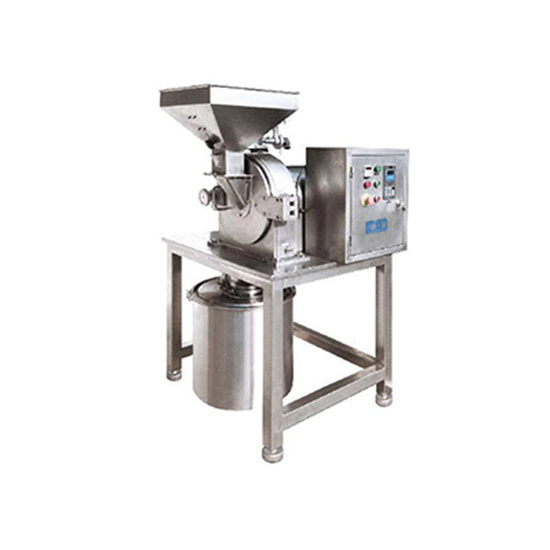
Pulverizer machines play a crucial role in various manufacturing and processing sectors, particularly in the field of material reduction. These machines are designed to crush, grind, or pulverize materials into finer particles, making them essential for industries that require precise material sizing and processing. Understanding how pulverizer machines function and their applications can significantly enhance operational efficiency and productivity.
At their core, pulverizer machines utilize mechanical forces to break down materials. They can handle a wide range of substances, including plastics, minerals, food products, and even pharmaceuticals. By employing different types of grinders, blades, and screens, pulverizers can achieve desired particle sizes, which is essential for further processing or application in end products.
One of the primary benefits of using a pulverizer machine is the efficiency it brings to material handling. Traditional methods of size reduction can be labor-intensive and time-consuming. In contrast, a pulverizer can streamline these processes, allowing for higher output rates and reduced labor costs. This efficiency is particularly valuable in industries where large volumes of materials need to be processed quickly and uniformly.
Different types of pulverizers are available, each tailored for specific applications. For example, a hammer mill pulverizer uses high-speed rotating hammers to crush materials, making it ideal for softer substances. In contrast, a roller mill utilizes compression to achieve size reduction and is better suited for harder materials. Understanding the characteristics of various pulverizer types can help manufacturers choose the right machine for their specific needs.
Moreover, pulverizer machines can enhance the quality of the final product. By providing uniform particle sizes, these machines can lead to improved consistency in product formulation, which is particularly important in sectors like pharmaceuticals and food processing. Consistent particle size can also facilitate better mixing and blending, leading to superior end products.
Maintenance and operational considerations are crucial for maximizing the longevity and performance of pulverizer machines. Regular inspections, cleaning, and adherence to operational guidelines can prevent common issues such as wear and tear of components. Additionally, training operators on best practices can further enhance efficiency and safety in the workplace.
In summary, the significance of pulverizer machines in manufacturing and processing cannot be overstated. They offer efficiency, versatility, and quality enhancement across various industries. By investing in the right pulverizer machine and maintaining it properly, manufacturers can optimize their production processes and achieve better results in their operations. Embracing these modern machinery solutions is key to staying competitive in today's fast-paced manufacturing landscape.
At their core, pulverizer machines utilize mechanical forces to break down materials. They can handle a wide range of substances, including plastics, minerals, food products, and even pharmaceuticals. By employing different types of grinders, blades, and screens, pulverizers can achieve desired particle sizes, which is essential for further processing or application in end products.
One of the primary benefits of using a pulverizer machine is the efficiency it brings to material handling. Traditional methods of size reduction can be labor-intensive and time-consuming. In contrast, a pulverizer can streamline these processes, allowing for higher output rates and reduced labor costs. This efficiency is particularly valuable in industries where large volumes of materials need to be processed quickly and uniformly.
Different types of pulverizers are available, each tailored for specific applications. For example, a hammer mill pulverizer uses high-speed rotating hammers to crush materials, making it ideal for softer substances. In contrast, a roller mill utilizes compression to achieve size reduction and is better suited for harder materials. Understanding the characteristics of various pulverizer types can help manufacturers choose the right machine for their specific needs.
Moreover, pulverizer machines can enhance the quality of the final product. By providing uniform particle sizes, these machines can lead to improved consistency in product formulation, which is particularly important in sectors like pharmaceuticals and food processing. Consistent particle size can also facilitate better mixing and blending, leading to superior end products.
Maintenance and operational considerations are crucial for maximizing the longevity and performance of pulverizer machines. Regular inspections, cleaning, and adherence to operational guidelines can prevent common issues such as wear and tear of components. Additionally, training operators on best practices can further enhance efficiency and safety in the workplace.
In summary, the significance of pulverizer machines in manufacturing and processing cannot be overstated. They offer efficiency, versatility, and quality enhancement across various industries. By investing in the right pulverizer machine and maintaining it properly, manufacturers can optimize their production processes and achieve better results in their operations. Embracing these modern machinery solutions is key to staying competitive in today's fast-paced manufacturing landscape.
More News
Get a Quote

Add:
No. 9, Yungu Road, Zhutang Town, Jiangyin City, Jiangsu Province, China
E-mail: pxjx@jypxjx.com
Copyright © 2022 Jiangyin Peixin Machinery Technology Co., Ltd.


