

NEWS
The Ultimate Guide to Rotary Sieving Machines: Enhancing Efficiency in Material Processing
Feb 08,2026
Rotary sieving machines play a crucial role in the manufacturing and processing sectors, particularly in applications involving the sorting and separation of materials. These machines are designed to classify materials based on size, ensuring that only the desired particles pass through while larger ones are rejected for further processing. This capability is essential in various industries, including construction, mining, and recycling, where material purity and efficiency are paramount.
One of the primary advantages of rotary sieving machines is their ability to handle a wide range of materials, including powders, granules, and even liquids. The rotary motion facilitates continuous operation, allowing for high throughput rates without compromising the quality of separation. This consistent performance is particularly beneficial in large-scale manufacturing settings, where the demand for processed materials is high.
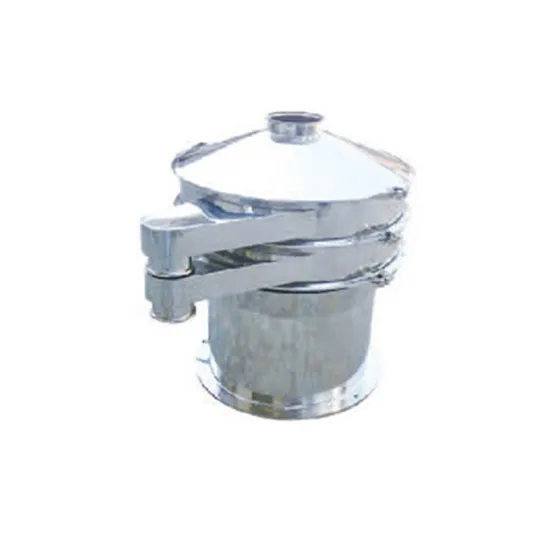
The design of a rotary sieving machine typically includes a cylindrical screen that rotates around a central axis. As materials are fed into the machine, they are subjected to centrifugal forces that help to separate finer particles from coarser ones. This efficient separation process minimizes downtime and enhances productivity, making rotary sieving machines a valuable asset in any processing operation.
In addition to their mechanical efficiency, rotary sieving machines are known for their versatility. They can be easily adjusted to accommodate different screen sizes and types, allowing operators to customize the separation process to meet the specific needs of their materials. This flexibility is particularly advantageous when dealing with varying material characteristics or when switching between different production runs.
Maintenance is another critical aspect to consider when utilizing rotary sieving machines. Regular cleaning and inspection are essential to ensure optimal performance and longevity of the equipment. Operators should be trained to identify potential wear and tear, as well as to perform routine maintenance tasks, to prevent costly breakdowns and ensure consistent operation.
Furthermore, integrating rotary sieving machines with other processing equipment can lead to significant enhancements in overall workflow efficiency. For example, pairing a rotary sieve with a conveyor system can streamline material handling, reducing the need for manual intervention and minimizing the risk of contamination.
In conclusion, rotary sieving machines are an indispensable tool in the material processing industry. Their ability to efficiently separate materials based on size, coupled with their versatility and ease of maintenance, makes them a vital component in achieving operational excellence. By investing in these machines, manufacturers can significantly enhance their productivity and ensure the quality of their final products.
One of the primary advantages of rotary sieving machines is their ability to handle a wide range of materials, including powders, granules, and even liquids. The rotary motion facilitates continuous operation, allowing for high throughput rates without compromising the quality of separation. This consistent performance is particularly beneficial in large-scale manufacturing settings, where the demand for processed materials is high.
The design of a rotary sieving machine typically includes a cylindrical screen that rotates around a central axis. As materials are fed into the machine, they are subjected to centrifugal forces that help to separate finer particles from coarser ones. This efficient separation process minimizes downtime and enhances productivity, making rotary sieving machines a valuable asset in any processing operation.
In addition to their mechanical efficiency, rotary sieving machines are known for their versatility. They can be easily adjusted to accommodate different screen sizes and types, allowing operators to customize the separation process to meet the specific needs of their materials. This flexibility is particularly advantageous when dealing with varying material characteristics or when switching between different production runs.
Maintenance is another critical aspect to consider when utilizing rotary sieving machines. Regular cleaning and inspection are essential to ensure optimal performance and longevity of the equipment. Operators should be trained to identify potential wear and tear, as well as to perform routine maintenance tasks, to prevent costly breakdowns and ensure consistent operation.
Furthermore, integrating rotary sieving machines with other processing equipment can lead to significant enhancements in overall workflow efficiency. For example, pairing a rotary sieve with a conveyor system can streamline material handling, reducing the need for manual intervention and minimizing the risk of contamination.
In conclusion, rotary sieving machines are an indispensable tool in the material processing industry. Their ability to efficiently separate materials based on size, coupled with their versatility and ease of maintenance, makes them a vital component in achieving operational excellence. By investing in these machines, manufacturers can significantly enhance their productivity and ensure the quality of their final products.
More News
Get a Quote

Add:
No. 9, Yungu Road, Zhutang Town, Jiangyin City, Jiangsu Province, China
E-mail: pxjx@jypxjx.com
Copyright © 2022 Jiangyin Peixin Machinery Technology Co., Ltd.


