

NEWS
Maximizing Efficiency with Industrial Powder Sifters in Manufacturing
Feb 04,2026
In the realm of manufacturing, particularly in the crushing and sorting machinery sector, the importance of effective particle separation cannot be overstated. One vital tool that plays a significant role in this process is the industrial powder sifter. This type of equipment is designed to separate fine powders from larger particles, ensuring that the final product meets stringent quality standards.
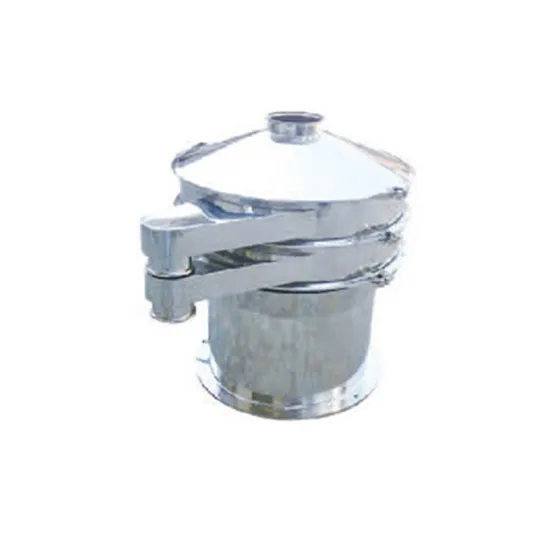
Industrial powder sifters operate on the principle of using mesh screens to classify materials based on particle size. The design typically includes a vibrating platform that creates a motion allowing the powder to flow through the mesh. This motion helps to prevent clumping, ensuring that the material is evenly distributed across the screen. It’s crucial to select the right mesh size for the sifting process, as it directly impacts the efficiency and effectiveness of the separation. Selecting the appropriate mesh can help to eliminate oversized particles while retaining the desired fine particles.
Implementing an industrial powder sifter in your manufacturing process can lead to numerous benefits. Firstly, it significantly enhances product quality by ensuring that only the correctly sized particles are included in the final batch. This means fewer defects and a greater consistency in the product, which is vital in industries like pharmaceuticals, food production, and chemicals, where quality control is paramount.
Additionally, industrial powder sifters contribute to increased operational efficiency. By automating the sifting process, manufacturers can reduce labor costs and minimize the risk of human error. This automation also allows for higher throughput, as the sifter can continuously process materials without the need for frequent downtime.
Moreover, the ability to easily adjust the settings on modern industrial powder sifters means that they can be tailored to specific production runs or varying material types. This versatility makes them an invaluable asset in a manufacturing facility, adapting to changing needs and ensuring that processes remain streamlined and cost-effective.
Maintenance of industrial powder sifters is relatively straightforward, but regular checks are essential to ensure that the equipment is functioning optimally. Keeping the screens clean and checking for any wear or damage can prolong the life of the sifter and maintain its efficiency. Additionally, proper calibration and adjustments based on the specific characteristics of the materials being processed can further enhance performance.
In conclusion, industrial powder sifters are a critical component in the manufacturing process, particularly in the crushing and sorting machinery sector. By improving product quality, increasing operational efficiency, and offering versatility, they provide substantial benefits that can help manufacturers stay competitive in today’s fast-paced market. Investing in high-quality industrial powder sifters is a strategic move that can yield long-term advantages for any manufacturing operation.
Industrial powder sifters operate on the principle of using mesh screens to classify materials based on particle size. The design typically includes a vibrating platform that creates a motion allowing the powder to flow through the mesh. This motion helps to prevent clumping, ensuring that the material is evenly distributed across the screen. It’s crucial to select the right mesh size for the sifting process, as it directly impacts the efficiency and effectiveness of the separation. Selecting the appropriate mesh can help to eliminate oversized particles while retaining the desired fine particles.
Implementing an industrial powder sifter in your manufacturing process can lead to numerous benefits. Firstly, it significantly enhances product quality by ensuring that only the correctly sized particles are included in the final batch. This means fewer defects and a greater consistency in the product, which is vital in industries like pharmaceuticals, food production, and chemicals, where quality control is paramount.
Additionally, industrial powder sifters contribute to increased operational efficiency. By automating the sifting process, manufacturers can reduce labor costs and minimize the risk of human error. This automation also allows for higher throughput, as the sifter can continuously process materials without the need for frequent downtime.
Moreover, the ability to easily adjust the settings on modern industrial powder sifters means that they can be tailored to specific production runs or varying material types. This versatility makes them an invaluable asset in a manufacturing facility, adapting to changing needs and ensuring that processes remain streamlined and cost-effective.
Maintenance of industrial powder sifters is relatively straightforward, but regular checks are essential to ensure that the equipment is functioning optimally. Keeping the screens clean and checking for any wear or damage can prolong the life of the sifter and maintain its efficiency. Additionally, proper calibration and adjustments based on the specific characteristics of the materials being processed can further enhance performance.
In conclusion, industrial powder sifters are a critical component in the manufacturing process, particularly in the crushing and sorting machinery sector. By improving product quality, increasing operational efficiency, and offering versatility, they provide substantial benefits that can help manufacturers stay competitive in today’s fast-paced market. Investing in high-quality industrial powder sifters is a strategic move that can yield long-term advantages for any manufacturing operation.
More News
Get a Quote

Add:
No. 9, Yungu Road, Zhutang Town, Jiangyin City, Jiangsu Province, China
E-mail: pxjx@jypxjx.com
Copyright © 2022 Jiangyin Peixin Machinery Technology Co., Ltd.


