

NEWS
Understanding the Benefits and Functionality of Rotary Sieving Machines
May 23,2026
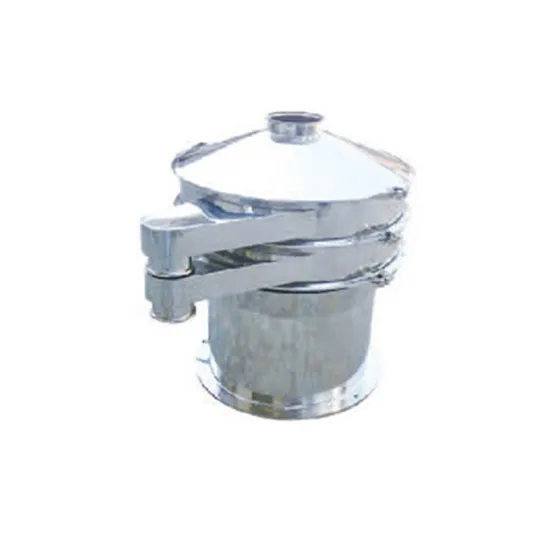
Rotary sieving machines play a crucial role in the manufacturing and processing industry, especially within the realms of crushing and sorting machinery. These machines are designed to separate materials based on size, ensuring that the final product meets the desired specifications. The functionality of rotary sieving machines is primarily based on their ability to facilitate efficient and effective screening of various materials, including aggregates, powders, and granules.
The design of a rotary sieving machine typically incorporates a cylindrical screen that rotates around its axis. As the material is fed into the machine, gravity and the rotational motion work together to move the material through the sieve. Depending on the size of the openings in the screen, smaller particles pass through while larger particles are retained, allowing for a straightforward and efficient sorting process. This mechanism not only optimizes the separation of materials but also reduces the wear and tear on the equipment, leading to lower maintenance costs.
Another significant advantage of rotary sieving machines is their versatility. They can be used for a wide range of materials across various industries, including construction, food processing, pharmaceuticals, and recycling. This adaptability makes them an essential tool in any manufacturing process where precise sorting is necessary. The ability to customize screen sizes and configurations further enhances their utility, allowing businesses to tailor solutions to their specific needs.
Moreover, rotary sieving machines are often designed with user-friendly features that enhance operational efficiency. Many models include automated controls and monitoring systems that provide real-time feedback on the sieving process. This technology not only improves accuracy but also allows for easier integration into existing production lines. Operators can quickly adjust settings to accommodate different materials or requirements, ensuring a seamless workflow.
In terms of performance, rotary sieving machines offer superior throughput compared to static sieving methods. The continuous motion of the rotary mechanism keeps the materials in constant movement, reducing the chances of blockages and ensuring consistent flow. Additionally, the design minimizes dust generation, which is crucial in maintaining a safe and clean working environment.
In conclusion, rotary sieving machines provide a powerful solution for sorting and screening materials in the manufacturing and processing industry. Their innovative design, versatility, and efficiency make them an indispensable tool for businesses looking to optimize their operations. By understanding the functionality and benefits of these machines, companies can make informed decisions that enhance their productivity and product quality. Whether for large-scale manufacturing or niche applications, rotary sieving machines will undoubtedly play a pivotal role in the future of sorting technology.
The design of a rotary sieving machine typically incorporates a cylindrical screen that rotates around its axis. As the material is fed into the machine, gravity and the rotational motion work together to move the material through the sieve. Depending on the size of the openings in the screen, smaller particles pass through while larger particles are retained, allowing for a straightforward and efficient sorting process. This mechanism not only optimizes the separation of materials but also reduces the wear and tear on the equipment, leading to lower maintenance costs.
Another significant advantage of rotary sieving machines is their versatility. They can be used for a wide range of materials across various industries, including construction, food processing, pharmaceuticals, and recycling. This adaptability makes them an essential tool in any manufacturing process where precise sorting is necessary. The ability to customize screen sizes and configurations further enhances their utility, allowing businesses to tailor solutions to their specific needs.
Moreover, rotary sieving machines are often designed with user-friendly features that enhance operational efficiency. Many models include automated controls and monitoring systems that provide real-time feedback on the sieving process. This technology not only improves accuracy but also allows for easier integration into existing production lines. Operators can quickly adjust settings to accommodate different materials or requirements, ensuring a seamless workflow.
In terms of performance, rotary sieving machines offer superior throughput compared to static sieving methods. The continuous motion of the rotary mechanism keeps the materials in constant movement, reducing the chances of blockages and ensuring consistent flow. Additionally, the design minimizes dust generation, which is crucial in maintaining a safe and clean working environment.
In conclusion, rotary sieving machines provide a powerful solution for sorting and screening materials in the manufacturing and processing industry. Their innovative design, versatility, and efficiency make them an indispensable tool for businesses looking to optimize their operations. By understanding the functionality and benefits of these machines, companies can make informed decisions that enhance their productivity and product quality. Whether for large-scale manufacturing or niche applications, rotary sieving machines will undoubtedly play a pivotal role in the future of sorting technology.
More News
Get a Quote

Add:
No. 9, Yungu Road, Zhutang Town, Jiangyin City, Jiangsu Province, China
E-mail: pxjx@jypxjx.com
Copyright © 2022 Jiangyin Peixin Machinery Technology Co., Ltd.


