

NEWS
Herb Pulverizer Machines: Bridging Tradition and Technology for Optimal Processing
May 13,2026
Herb Pulverizer Machines: Bridging Tradition and Technology
Table of Contents
- 1. Introduction to Herb Pulverizer Machines
- 2. The History of Herb Pulverization
- 3. Types of Herb Pulverizer Machines
- 4. Benefits of Using Herb Pulverizer Machines
- 5. Applications of Herb Pulverizers in Various Industries
- 6. Technological Advancements in Herb Pulverization
- 7. Choosing the Right Herb Pulverizer Machine
- 8. Maintenance Tips for Herb Pulverizer Machines
- 9. Conclusion
- 10. FAQs
1. Introduction to Herb Pulverizer Machines
Herb pulverizer machines have become indispensable tools in various industries, merging the age-old tradition of herb processing with modern technology. These machines are designed to grind herbs efficiently, transforming them into fine powders or extracts that are essential for culinary, medicinal, and cosmetic uses. With the growing demand for natural products, the importance of effective herb pulverization cannot be overstated.
2. The History of Herb Pulverization
The practice of pulverizing herbs dates back thousands of years. Ancient civilizations utilized rudimentary tools such as mortar and pestle to grind herbs for medicinal and culinary purposes. As time progressed, the need for more efficient methods led to the development of mechanical grinding machines. The evolution of herb pulverization reflects our continual pursuit of efficiency and quality in processing natural products.
3. Types of Herb Pulverizer Machines
Understanding the various types of herb pulverizer machines is crucial for selecting the right one for specific needs. Each type offers distinct features and advantages.
3.1 Hammer Mills
Hammer mills are among the most commonly used machines for herb pulverization. They operate by using high-speed rotating hammers to crush and grind materials. This type of pulverizer is particularly effective for coarse herbs and is favored in agricultural and commercial settings due to its efficiency and scalability.
3.2 Ball Mills
Ball mills utilize spherical grinding media to reduce the size of materials. These machines are ideal for producing extremely fine powders and are often employed in laboratories and pharmaceutical applications. Their ability to achieve a high degree of fineness sets them apart from other pulverizers.
3.3 Disc Mills
Disc mills consist of two horizontal discs, one of which is stationary while the other rotates. The design allows for efficient grinding and is particularly effective for a wide range of herb types. These machines often find use in food processing and spice grinding.
3.4 Micro Pulverizers
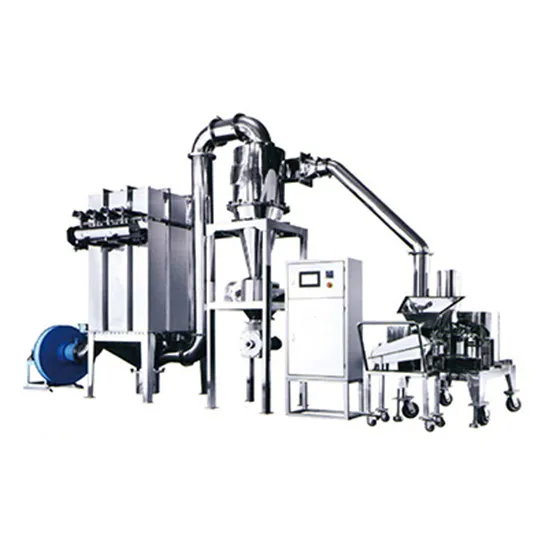
Micro pulverizers are designed for producing ultra-fine powders. They utilize a combination of mechanical and air classification techniques to achieve the desired particle size. This type of machine is highly valued in industries requiring fine herb powders, such as cosmetics and pharmaceuticals.
4. Benefits of Using Herb Pulverizer Machines
Investing in herb pulverizer machines provides numerous advantages, whether for personal or commercial use.
- **Increased Efficiency**: Herb pulverizers significantly reduce the time and labor required for manual grinding, allowing for higher production rates.
- **Uniform Particle Size**: These machines ensure a consistent particle size, which is critical for product quality, especially in culinary and therapeutic applications.
- **Versatility**: Herb pulverizers can process a wide range of herbs, spices, and other materials, making them adaptable to various uses.
- **Enhanced Quality**: The ability to finely grind herbs can enhance their flavors and medicinal properties, leading to superior end products.
- **Cost-Effectiveness**: Although the initial investment may be substantial, the long-term savings in labor and time make them economical solutions for businesses.
5. Applications of Herb Pulverizers in Various Industries
Herb pulverizer machines are utilized across multiple sectors due to their efficiency and effectiveness.
- **Food and Beverage**: In the culinary world, finely ground herbs are essential for spice blends, teas, and gourmet dishes.
- **Pharmaceuticals**: The pharmaceutical industry benefits from micro pulverizers for creating fine herbal powders used in various formulations.
- **Cosmetics**: Many cosmetic products incorporate herbal extracts, highlighting the importance of pulverization for consistent ingredient quality.
- **Nutraceuticals**: The health supplement industry relies on herb pulverizers to create powdered forms of herbs for capsules and powders.
- **Agriculture**: Herb pulverizers are used to produce organic fertilizers and pest control solutions from natural herbs.
6. Technological Advancements in Herb Pulverization
Recent advancements in technology have transformed the herb pulverization process. Innovations such as computer-controlled settings, energy-efficient designs, and automated feeding systems enhance both performance and ease of use. Furthermore, the integration of smart technology allows for real-time monitoring and adjustments, ensuring optimal grinding conditions.
7. Choosing the Right Herb Pulverizer Machine
Selecting the appropriate herb pulverizer involves understanding specific needs and operational requirements.
- **Material Type**: Consider the type of herbs being processed. Coarser materials may require hammer mills, while finer powders may necessitate ball or micro pulverizers.
- **Production Volume**: Assess the production scale. For commercial operations, larger, more powerful machines may be necessary.
- **Budget**: Establish a budget that accounts not only for the initial purchase but also for maintenance and operational costs.
- **User-Friendliness**: Choose machines that offer straightforward controls and maintenance procedures to minimize downtime and training requirements.
8. Maintenance Tips for Herb Pulverizer Machines
Proper maintenance is essential for ensuring the longevity and efficiency of herb pulverizer machines.
- **Regular Cleaning**: Clean the machine after each use to prevent contamination and buildup of residues.
- **Lubrication**: Periodically lubricate moving parts to minimize wear and tear.
- **Calibration**: Regularly check and calibrate settings to maintain the desired particle size and performance.
- **Inspection**: Conduct routine inspections for wear and damage. Replace parts as needed to avoid operational disruptions.
9. Conclusion
Herb pulverizer machines represent a significant advancement in the processing of herbs, combining traditional methodologies with modern technological innovations. By understanding the different types of machines available, their benefits, applications, and maintenance needs, users can greatly enhance their herb processing capabilities. Ultimately, these machines bridge the gap between ancient practices and contemporary demands, ensuring that high-quality herb products are accessible for various industries.
10. FAQs
What are herb pulverizer machines used for?
Herb pulverizer machines are used to grind herbs into fine powders or extracts for culinary, medicinal, and cosmetic applications.
What types of herb pulverizers are available?
The main types include hammer mills, ball mills, disc mills, and micro pulverizers, each suited for different grinding needs.
How do I choose the right herb pulverizer machine?
Consider factors such as the type of herbs, production volume, budget, and ease of use when selecting a machine.
What maintenance does a herb pulverizer machine require?
Regular cleaning, lubrication, calibration, and inspections are essential for maintaining performance and longevity.
Can herb pulverizer machines handle wet materials?
Most herb pulverizers are designed for dry materials; however, some specialized machines can handle moist herbs but may require specific adjustments.
This comprehensive exploration of herb pulverizer machines emphasizes their vital role in enhancing herb processing, ensuring that users can make informed decisions and maximize their benefits.
More News

Get a Quote

Add:
No. 9, Yungu Road, Zhutang Town, Jiangyin City, Jiangsu Province, China
E-mail: pxjx@jypxjx.com
Copyright © 2022 Jiangyin Peixin Machinery Technology Co., Ltd.


