

NEWS
The Role of Plastic Pulverizers in Sustainable Recycling Practices
Jan 16,2026
The Role of Plastic Pulverizers in Sustainable Recycling Practices
Introduction to Plastic Pulverizers and Their Importance
In an era where environmental sustainability is paramount, the need for efficient recycling methods has never been more pressing. Plastic pulverizers play a **crucial role** in transforming plastic waste into reusable materials, thereby contributing to a more sustainable future. By reducing the size of plastic waste into fine particles, these machines facilitate the recycling process, enabling manufacturers to create new products from recycled materials.
This article delves into how plastic pulverizers function, their applications in various industries, and their significance in promoting sustainable recycling practices.
What are Plastic Pulverizers?
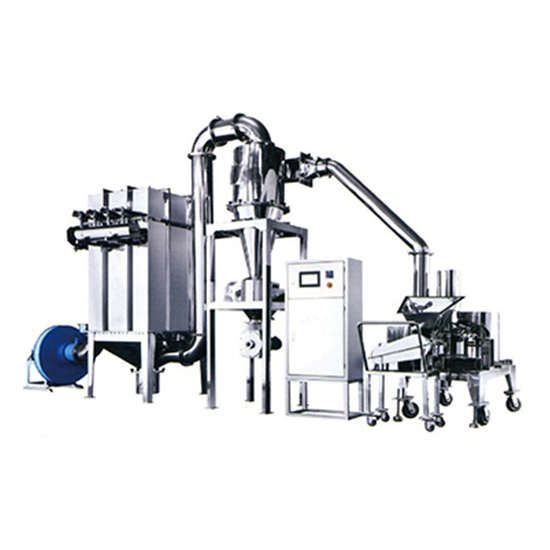
Plastic pulverizers are specialized machines designed to grind plastic materials into a fine powder. By employing mechanical force, these machines efficiently reduce the size of plastic waste, making it suitable for reprocessing.
How Do Plastic Pulverizers Work?
The operation of plastic pulverizers is relatively straightforward. The process typically involves the following steps:
1. **Feeding**: Plastic materials, often in the form of flakes or granules, are fed into the pulverizer.
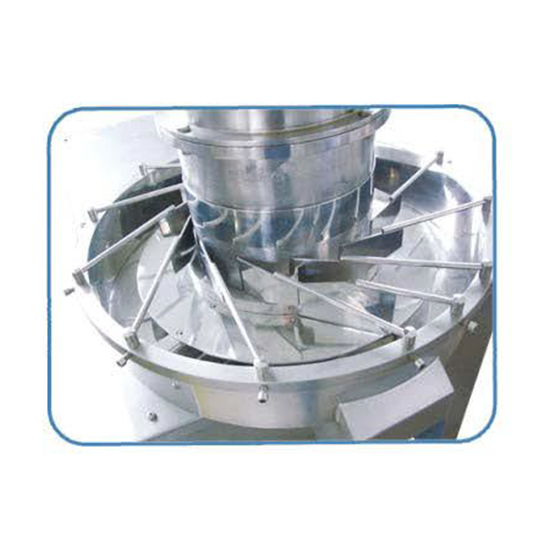
2. **Grinding**: The materials pass through rotating blades that crush the plastic into smaller particles. The design of the blades and the machine's speed can be adjusted to achieve the desired particle size.
3. **Cooling**: Friction during grinding generates heat, which can affect the quality of the plastic. Many pulverizers include cooling systems to mitigate this issue.
4. **Classifying**: After grinding, the resulting powder is classified based on size, ensuring uniformity and suitability for subsequent processing.
The Technology Behind Plastic Pulverizers
Modern plastic pulverizers utilize advanced technology to enhance efficiency and reduce energy consumption. Features such as variable speed drives, automated controls, and integrated dust collection systems contribute to their effectiveness.
The Significance of Plastic Pulverizers in Recycling
Plastic waste poses a significant threat to the environment. With the rise in plastic production, the demand for effective recycling solutions has surged. Plastic pulverizers address this challenge by enabling the recycling of various plastic types, including polyethylene, polypropylene, and polystyrene.
Reducing Environmental Impact
One of the primary advantages of utilizing plastic pulverizers is their ability to **minimize environmental impact**. By converting plastic waste into reusable powder, these machines reduce the volume of waste in landfills and oceans. This, in turn, decreases pollution levels and conserves natural resources required for new plastic production.
Enhancing Recycling Efficiency
Plastic pulverizers significantly enhance recycling efficiency by speeding up the grinding process and ensuring a consistent particle size. This uniformity is crucial for downstream applications, as it allows manufacturers to blend recycled materials seamlessly with virgin plastics.
Applications of Plastic Pulverizers in Various Industries
Plastic pulverizers are versatile machines employed across several sectors. Their ability to convert waste into high-quality raw materials makes them invaluable in numerous applications.
1. Packaging Industry
In the packaging industry, recycled plastics are increasingly used to create new packaging materials. Plastic pulverizers help companies meet sustainability goals by providing a steady supply of high-quality recycled powders.
2. Automotive Industry
The automotive sector is another significant user of recycled plastics. Components such as dashboards, panels, and bumpers can be manufactured using recycled materials processed by pulverizers, leading to reduced production costs and lower carbon footprints.
3. Construction Industry
Plastic pulverizers also play a role in the construction industry, where recycled plastics are utilized in composite materials and insulation products. This not only diverts waste from landfills but also offers an eco-friendly alternative to traditional materials.
4. Consumer Goods Manufacturing
Many consumer goods manufacturers are turning to recycled plastics to meet consumer demand for sustainable products. Plastic pulverizers facilitate this shift by providing an efficient means of recycling post-consumer plastic waste.
Best Practices for Implementing Plastic Pulverizers in Recycling Operations
To maximize the benefits of plastic pulverizers, organizations should adhere to several best practices.
1. Assess Material Flow
Before implementing a pulverizer, it’s essential to evaluate the types and quantities of plastic waste generated. This assessment helps in selecting the right pulverizer and optimizing the recycling process.
2. Invest in Quality Equipment
Not all pulverizers are created equal. Investing in high-quality machines equipped with advanced features can significantly improve efficiency and output quality.
3. Regular Maintenance
Maintaining plastic pulverizers is vital for ensuring longevity and optimal performance. Regular inspections and maintenance can prevent downtime and costly repairs.
Challenges in Plastic Recycling and How Pulverizers Help Overcome Them
Despite the advancements in recycling technologies, several challenges persist in the plastic recycling industry.
Inconsistent Quality of Recycled Materials
One major challenge is the inconsistency in the quality of recycled plastics. Plastic pulverizers help mitigate this issue by ensuring uniform particle sizes, which leads to better integration in manufacturing processes.
Contamination of Plastic Waste
Contaminated plastic waste can hinder the recycling process. However, pulverizers can efficiently process various types of plastics, accommodating minor contaminants that may be present in the waste stream.
The Future of Plastic Pulverizers in Sustainable Recycling
As the global focus on sustainability intensifies, the role of plastic pulverizers will become increasingly pivotal. Innovations in this technology will likely lead to enhancements in efficiency and effectiveness, enabling even greater contributions to recycling efforts.
Emerging Technologies
Future developments in plastic pulverization may include the integration of artificial intelligence and machine learning to optimize operations further. These advancements could streamline processes, reduce energy consumption, and enhance overall productivity.
Policy and Regulation Changes
As governments worldwide tighten regulations on plastic usage and waste management, industries will need to adapt by increasing their reliance on sustainable practices, including the use of plastic pulverizers.
Frequently Asked Questions (FAQs)
1. What types of plastics can be processed using plastic pulverizers?
Plastic pulverizers can process various plastics, including polyethylene (PE), polypropylene (PP), and polystyrene (PS).
2. How do plastic pulverizers contribute to environmental sustainability?
By converting plastic waste into reusable materials, pulverizers reduce the volume of waste in landfills, minimize pollution, and conserve natural resources.
3. Are plastic pulverizers energy-efficient?
Modern plastic pulverizers utilize advanced technology to enhance efficiency and reduce energy consumption, making them a sustainable choice for recycling operations.
4. Can plastic pulverizers handle contaminated plastics?
Yes, plastic pulverizers can process contaminated plastics, though the level of contamination should be minimal for optimal results.
5. What industries benefit the most from plastic pulverizers?
Industries such as packaging, automotive, construction, and consumer goods manufacturing significantly benefit from the use of plastic pulverizers.
Conclusion
Plastic pulverizers play an indispensable role in advancing sustainable recycling practices. By transforming plastic waste into valuable raw materials, they not only enhance recycling efficiency but also contribute to a circular economy. Businesses that invest in high-quality pulverizers and adopt best practices can significantly reduce their environmental impact while meeting the growing demand for sustainable products. As technology continues to evolve, the future of plastic pulverizers looks promising, paving the way for more effective recycling solutions and a greener planet.
More News

Get a Quote

Add:
No. 9, Yungu Road, Zhutang Town, Jiangyin City, Jiangsu Province, China
E-mail: pxjx@jypxjx.com
Copyright © 2022 Jiangyin Peixin Machinery Technology Co., Ltd.


