

NEWS
How an Industrial Powder Sifter Enhances Material Quality
Mar 02,2026
How an Industrial Powder Sifter Enhances Material Quality
Table of Contents
- 1. Introduction to Industrial Powder Sifters
- 2. Importance of Material Quality in Manufacturing
- 3. How Industrial Powder Sifters Work
- 4. Benefits of Using Industrial Powder Sifters
- 5. Applications of Industrial Powder Sifters
- 6. Choosing the Right Industrial Powder Sifter
- 7. Maintaining Your Powder Sifter for Optimal Performance
- 8. The Future of Industrial Powder Sifting
- 9. FAQs
- 10. Conclusion
1. Introduction to Industrial Powder Sifters
Industrial powder sifters play a crucial role in modern manufacturing. These machines are designed to separate and classify powders and granules based on their size and density. By utilizing advanced technology, industrial powder sifters enhance the quality of materials used in various applications, ensuring consistency and reliability across different industries.
The importance of material quality cannot be understated, as it directly influences product performance, customer satisfaction, and overall business success. In this article, we will delve into the mechanics of industrial powder sifters and their significant contribution to material quality enhancement.
2. Importance of Material Quality in Manufacturing
The significance of material quality in manufacturing extends far beyond aesthetics. High-quality materials ensure that products meet safety standards, perform as expected, and maintain customer trust. Poor material quality can lead to defects, recalls, and lost sales, highlighting the need for effective quality control measures.
Industrial powder sifters stand at the forefront of these quality control efforts. By efficiently screening powders and granules, they help manufacturers maintain the desired specifications for their products, which is especially critical in industries like food processing, pharmaceuticals, and chemicals.
3. How Industrial Powder Sifters Work
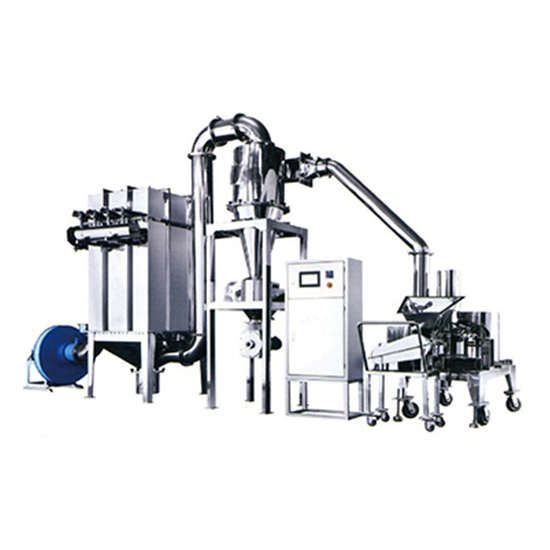
Understanding how industrial powder sifters operate is essential for appreciating their role in enhancing material quality. These machines typically use a combination of vibration and gravity to separate particles based on size.
1. **Feeding Mechanism**: Material enters the sifter through a feeding mechanism, which distributes it evenly across the sifting screen.
2. **Sifting Process**: The sifter vibrates, causing smaller particles to pass through the screen while larger particles remain on top. This separation is crucial for achieving uniformity in the final product.
3. **Discharge**: Once the sifting process is complete, the sifted material is discharged through designated outlets for further processing or packaging.
Advanced models incorporate additional features such as ultrasonic technology, which enhances the separation process by preventing clumping and ensuring that even the finest materials are sifted effectively.
4. Benefits of Using Industrial Powder Sifters
Investing in industrial powder sifters offers numerous advantages that can significantly impact your manufacturing process.
4.1 Quality Improvement
The primary benefit of using a powder sifter is the enhancement of material quality. By removing oversized particles, foreign contaminants, and agglomerates, sifters ensure that only the desired particle sizes are included in your final product. This results in improved consistency, potency, and overall quality.
4.2 Efficiency Enhancement
Industrial powder sifters streamline the manufacturing process by automating the screening of materials. This automation reduces the need for manual inspection and sorting, enabling manufacturers to process larger volumes of materials in less time. The result is increased productivity and reduced labor costs, driving overall efficiency.
4.3 Cost-Effectiveness
While the initial investment in an industrial powder sifter may be significant, the long-term savings can be substantial. By enhancing material quality and efficiency, these machines minimize waste, reduce product recalls, and improve customer satisfaction. All these factors contribute to a healthier bottom line.
5. Applications of Industrial Powder Sifters
The versatility of industrial powder sifters makes them suitable for a wide range of industries. Below are some of the key applications.
5.1 In the Food Industry
In the food industry, maintaining high standards of quality and safety is paramount. Industrial powder sifters are used to ensure that ingredients such as flour, sugar, and spices are free from contaminants and clumps. These sifters help maintain consistency in texture and taste, which is vital for consumer satisfaction.
5.2 In the Pharmaceutical Industry
The pharmaceutical industry relies on precise measurements and high-quality raw materials to produce effective medications. Powder sifters play a critical role in guaranteeing that active ingredients are uniformly sized, which affects absorption rates and overall efficacy of the medications.
5.3 In the Chemical Industry
In chemical manufacturing, the purity of raw materials is essential for producing high-quality end products. Sifters are employed to remove impurities and ensure that the chemical compounds meet the required specifications, thus preventing costly production errors.
6. Choosing the Right Industrial Powder Sifter
Selecting the right powder sifter for your needs involves considering several factors:
- **Material Type**: Different materials require different sifting approaches. Ensure that the sifter you choose is compatible with the type of powder or granule you are processing.
- **Particle Size**: Consider the size range of the particles you need to separate. Sifters come with various mesh sizes; choose one that matches your requirements.
- **Production Volume**: Assess your production volume to determine the size and capacity of the sifter. Larger operations may require high-capacity models to handle increased material flow.
- **Maintenance**: Look for sifters that are easy to clean and maintain. Simpler maintenance routines can save time and reduce downtime in production.
7. Maintaining Your Powder Sifter for Optimal Performance
Regular maintenance is vital to ensure that your industrial powder sifter operates efficiently and effectively. Here are some key maintenance tips:
- **Regular Cleaning**: Clean the sifter regularly to prevent material buildup, which can affect its performance. Use appropriate cleaning agents that won’t damage the machine.
- **Check for Wear and Tear**: Inspect the sifting screens and other components for signs of wear. Replace any damaged parts promptly to maintain optimal performance.
- **Calibration**: Ensure that the sifter is calibrated correctly. Regular checks will help maintain accuracy in particle separation, which is crucial for material quality.
8. The Future of Industrial Powder Sifting
As technology continues to evolve, so too will the capabilities of industrial powder sifters. Innovations such as automatic cleaning systems, enhanced vibration controls, and integration with data analytics for real-time monitoring are on the horizon. These advancements will further improve efficiency, precision, and material quality control, making powder sifters even more indispensable in manufacturing.
9. FAQs
What is an industrial powder sifter?
An industrial powder sifter is a machine designed to separate and classify powders and granules based on their size and density, ensuring material quality in various manufacturing processes.
How does a powder sifter enhance material quality?
By removing oversized particles and contaminants, a powder sifter ensures that only the desired particle sizes are included in the final product, leading to improved consistency and quality.
What industries benefit from using powder sifters?
Industries such as food processing, pharmaceuticals, and chemicals benefit significantly from using powder sifters to maintain high standards of material quality.
What factors should I consider when choosing a powder sifter?
Consider factors such as material type, particle size, production volume, and maintenance requirements when selecting a powder sifter.
How can I maintain my industrial powder sifter?
Regular cleaning, checking for wear and tear, and calibration are essential for maintaining the performance of your powder sifter.
10. Conclusion
In conclusion, industrial powder sifters are essential tools that significantly enhance material quality across various manufacturing sectors. By ensuring uniformity and removing impurities, these machines contribute to improved product performance and customer satisfaction. Investing in the right powder sifter not only boosts efficiency and cost-effectiveness but also solidifies a business's reputation for quality. As technology continues to advance, the benefits of industrial powder sifters are likely to expand, paving the way for even more rigorous material quality standards in the future.
More News

Get a Quote

Add:
No. 9, Yungu Road, Zhutang Town, Jiangyin City, Jiangsu Province, China
E-mail: pxjx@jypxjx.com
Copyright © 2022 Jiangyin Peixin Machinery Technology Co., Ltd.


